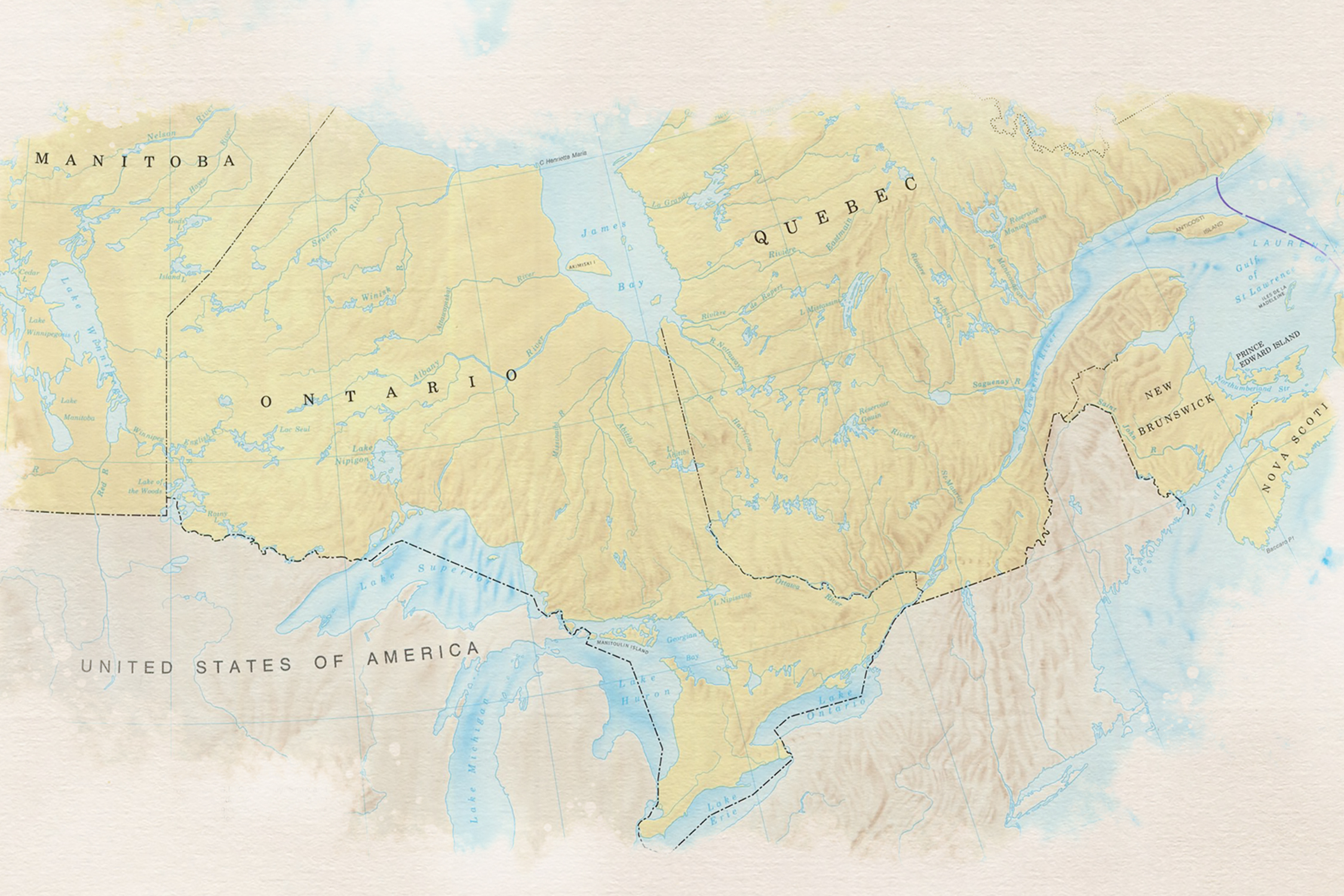

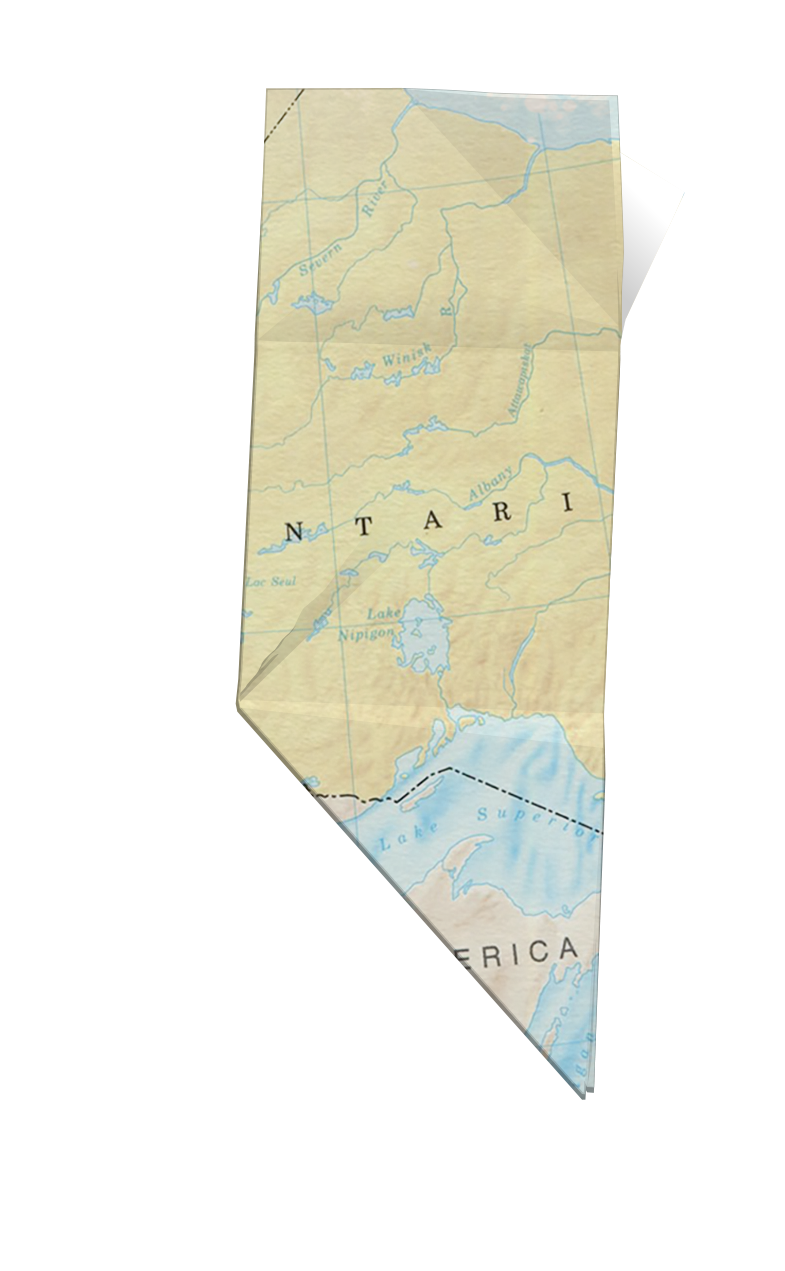
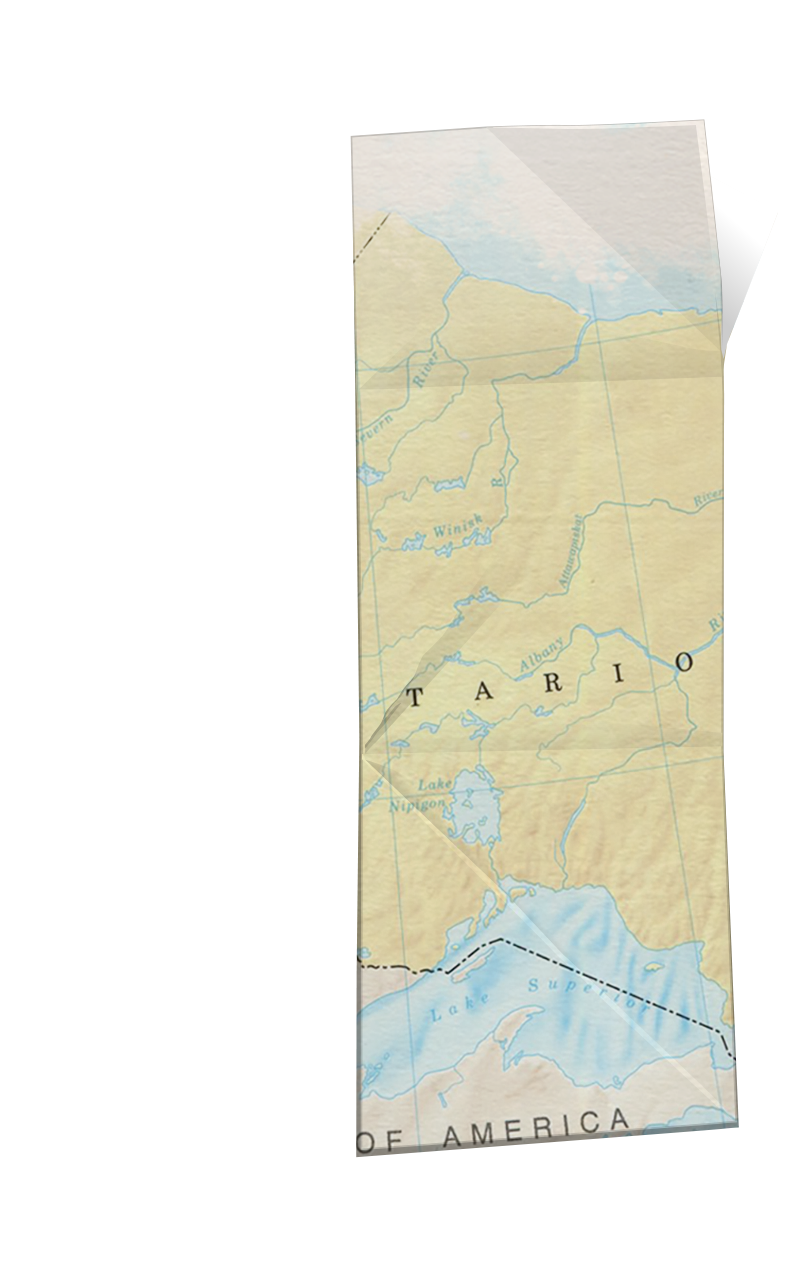



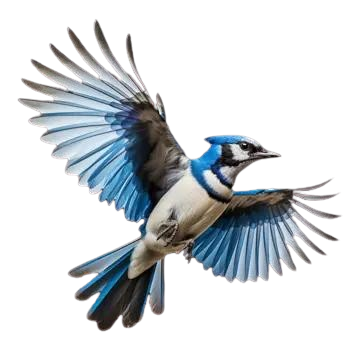
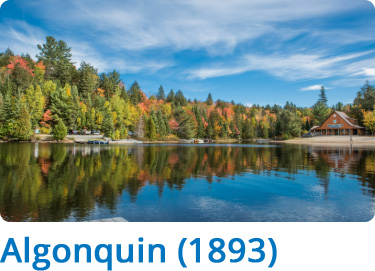
The Ontario Parks system stretches over 125 years. It began in 1893 with the creation of Algonquin Provincial Park. In 1954 the management and creation of provincial parks came under the Department of Lands and Forests. There are now 330 provincial parks comprising 8% of Ontario's landmass which is an area larger (over 82,000 km2) than the Provinces of Nova Scotia and PEI combined.
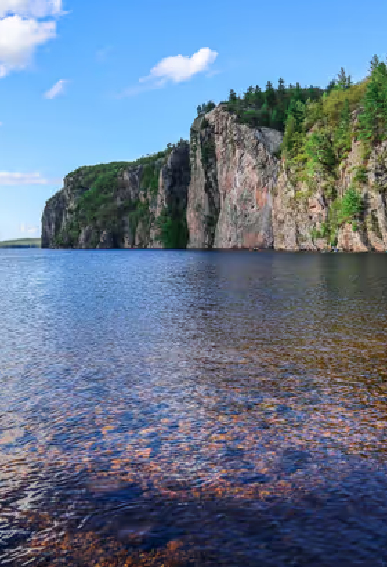
ONTARIO PARKS

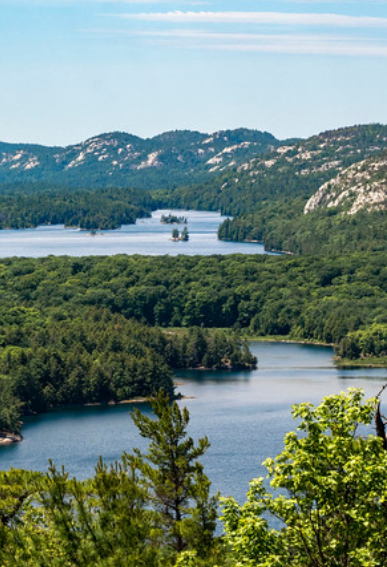
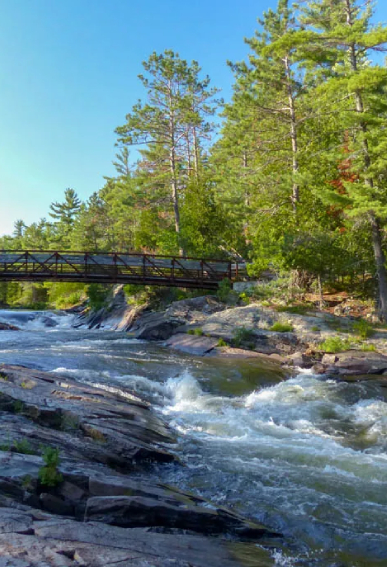
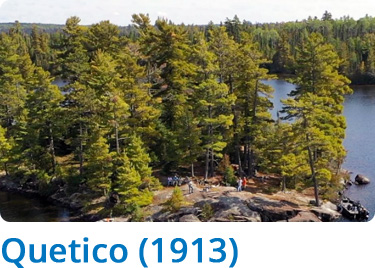
Ontario’s provincial parks system began in the late 19th century, when concerns about protecting forests and waterways led to the creation of the first park. These early parks were designed to safeguard natural resources while all owing the public to experience the beauty of Ontario’s wilderness. They laid the foundation for one of the largest protected park systems in the world.

1893-1920s
After World War II, interest in outdoor recreation surged. Families wanted places to camp, swim, and hike, and Ontario responded with a major park expansion program. New facilities, roads, and campgrounds were built, transforming provincial parks into popular destinations for summer vacations and weekend getaways.
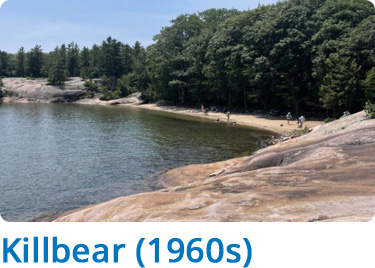
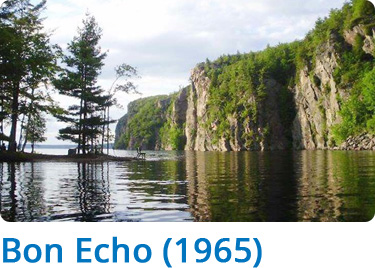
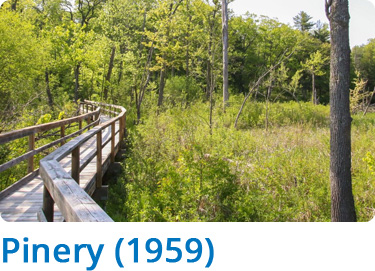
1950s–1960s
The system continues to expand, adding new protected areas and modern visitor facilities. Today, Ontario has over 330 parks, protecting nearly 8% of the province’s land and welcoming 9 million visitors each year. These parks provide opportunities for recreation, education, and conservation. They also play a vital role in preserving biodiversity and connecting people with nature.
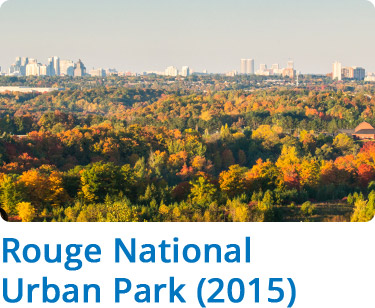

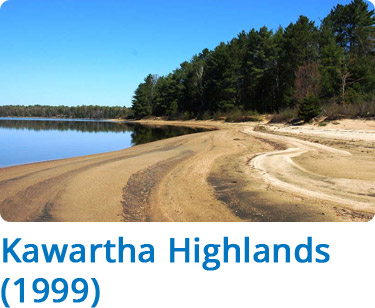
2000s
ONTARIO PARKS





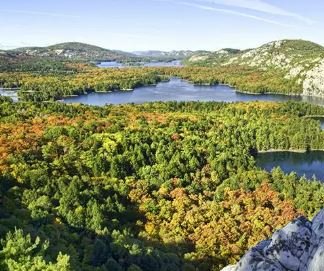
Park Access
Ontario Parks are open year-round with day-use, camping, backcountry. Fees vary by park and season

Reservations
Campsites and roofed stays can be booked online five months ahead. Summer weekends fill quickly
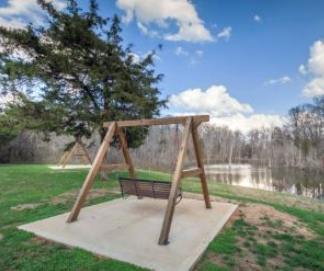
Facilities
Parks offer campgrounds, picnic areas, visitor centres, rentals. Many also provide accessible trails

Visitor Tips
Follow rules, “Leave No Trace,” and prepare for weather. Protect nature and wildlife .

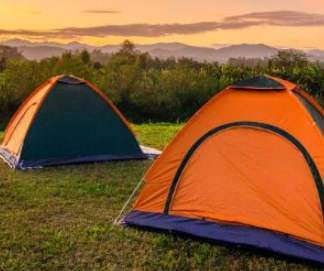
Camping & Lodging
Over 80,000 campsites plus cabins, yurts give visitors choices, from wilderness to comfort.
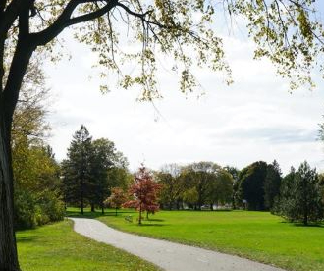
Education & Programs
Parks host guided hikes, cultural talks, interactive kids’ programs, teaching visitors about ecology and heritage.
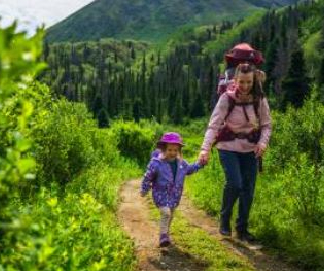
Outdoor Adventures
Activities include hiking, canoeing, cycling, fishing, swimming, skiing, snowshoeing in diverse landscapes.
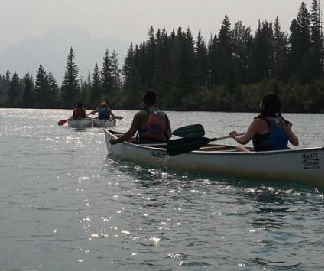
Special Attractions
Highlights include scenic dunes, ancient rock art, winding canoe routes, and skating trails through snowy forests.

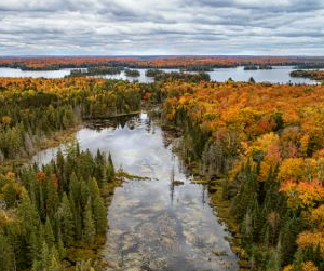
Nature Reserves
Protect fragile habitats and rare species. Public access stays limited to keep sensitive ecosystems undisturbed.
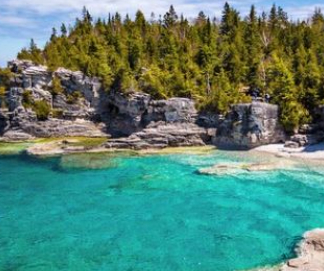
Natural Environment
These parks balance recreation with nature conservation. They are popular for camping, hiking, swimming, and exploration.
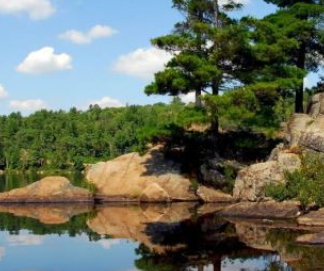
Wilderness Parks
Large, undeveloped areas preserve remote backcountry. Perfect for canoeing, hiking, wildlife viewing. Less Crowded
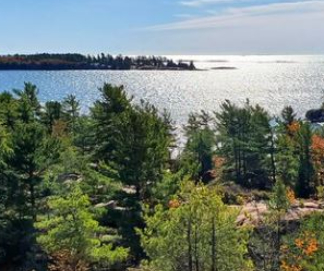
Historical
Parks with beaches, picnic areas, and campgrounds. Historical sites showcase culture, archaeology, and heritage.
ONTARIO PARKS
White-Winged
Crossbill
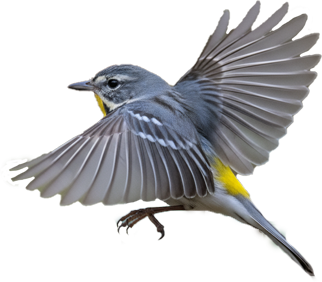
Yellow-rumped
Warbler
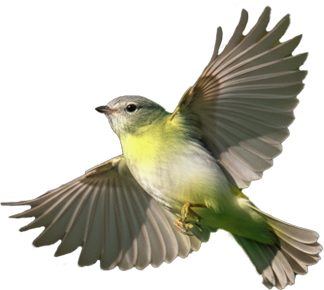
Tennessee
Warbler

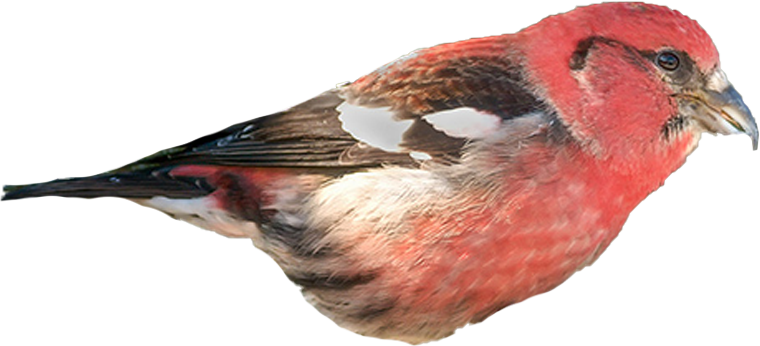
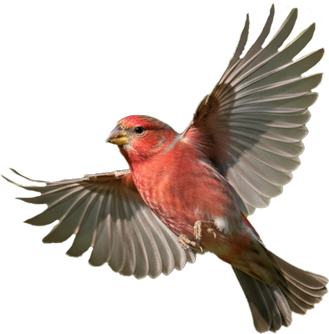
White-Winged Crossbill
Males are rosy-red, females olive-green, both with uniquely crossed bills. These nomadic finches move unpredictably, following cone crops across the boreal
Breeding Habitat: Boreal spruce and pine forests
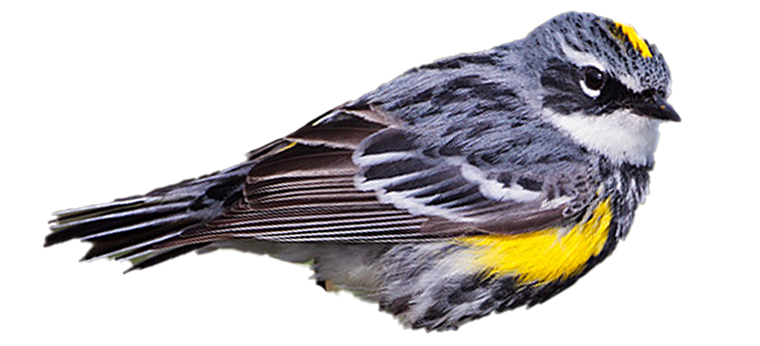
Yellow-rumped Warbler
A lively warbler with bright yellow patches on rump, sides, and throat. Among the most abundant boreal birds, often seen flitting through spruce and pine for insects
Breeding Habitat: Boreal coniferous and mixed forests
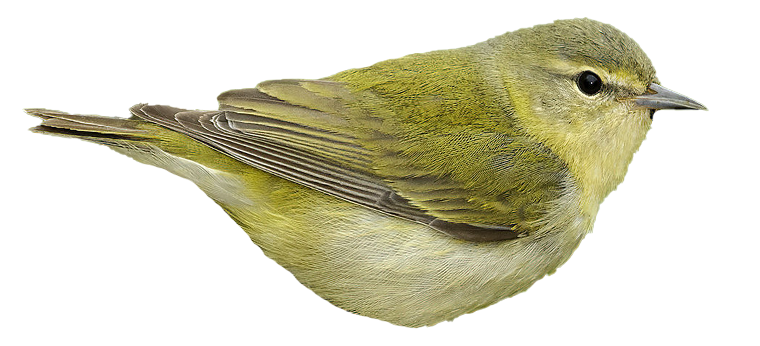
Tennessee Warbler
A small, greenish-gray bird with a sharp buzzy trill. Though plain in appearance, it can be one of the most abundant boreal warblers, especially when budworms are plentiful.
Breeding Habitat: Boreal spruce and mixed woods